

NVIDIA integrates HBM3e and HBM4 memory into its accelerated computing stack
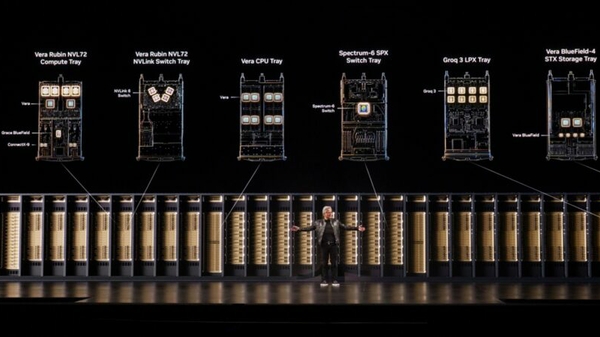
NVIDIA says it has become the first to deploy HBM3e and HBM4 memory in its GPU stack for accelerated computing. It is thus responding to the growing memory demands of large models and agentic applications amid tight supply and rising memory prices.
NVIDIA announced that it has become the first to introduce HBM3e and HBM4 memory technologies into its stack for accelerated GPU computing. According to the company, it is taking this approach as part of a so-called full-stack codesign approach, in which hardware and software are tuned together, while collaborating with memory partners on rapid adoption of the latest technologies.
The reason, according to the company, is the growing pressure on GPU memory caused by larger models, longer context windows, and agentic applications. At the same time, the company states that memory supply is limited worldwide and prices are rising, and that this trend is expected to continue in the near future.
The source does not provide specific technical parameters, deployment timelines, or exact prices. Details can be found in the source article.
Why it matters
The availability and price of HBM memory directly affect the cost of operating GPU infrastructure for training and running large AI models. For companies planning to purchase or rent GPU capacity, it is relevant that, according to NVIDIA, memory supply will remain limited and prices are expected to keep rising, which translates into costs for AI projects.
Relevant practical impact
What this means
For a business
Limited supply of HBM memory and its rising prices increase cost uncertainty for companies planning investments in GPU infrastructure for AI operations.
StrategyCheck the original
Event sources
only one source so far · 1 publisher, 0 independent. We count feeds from the same owner only once.