

Nathan Lambert after the Black October wave: open weights for Claude Mythos were not the main risk, GLM-5.3 was
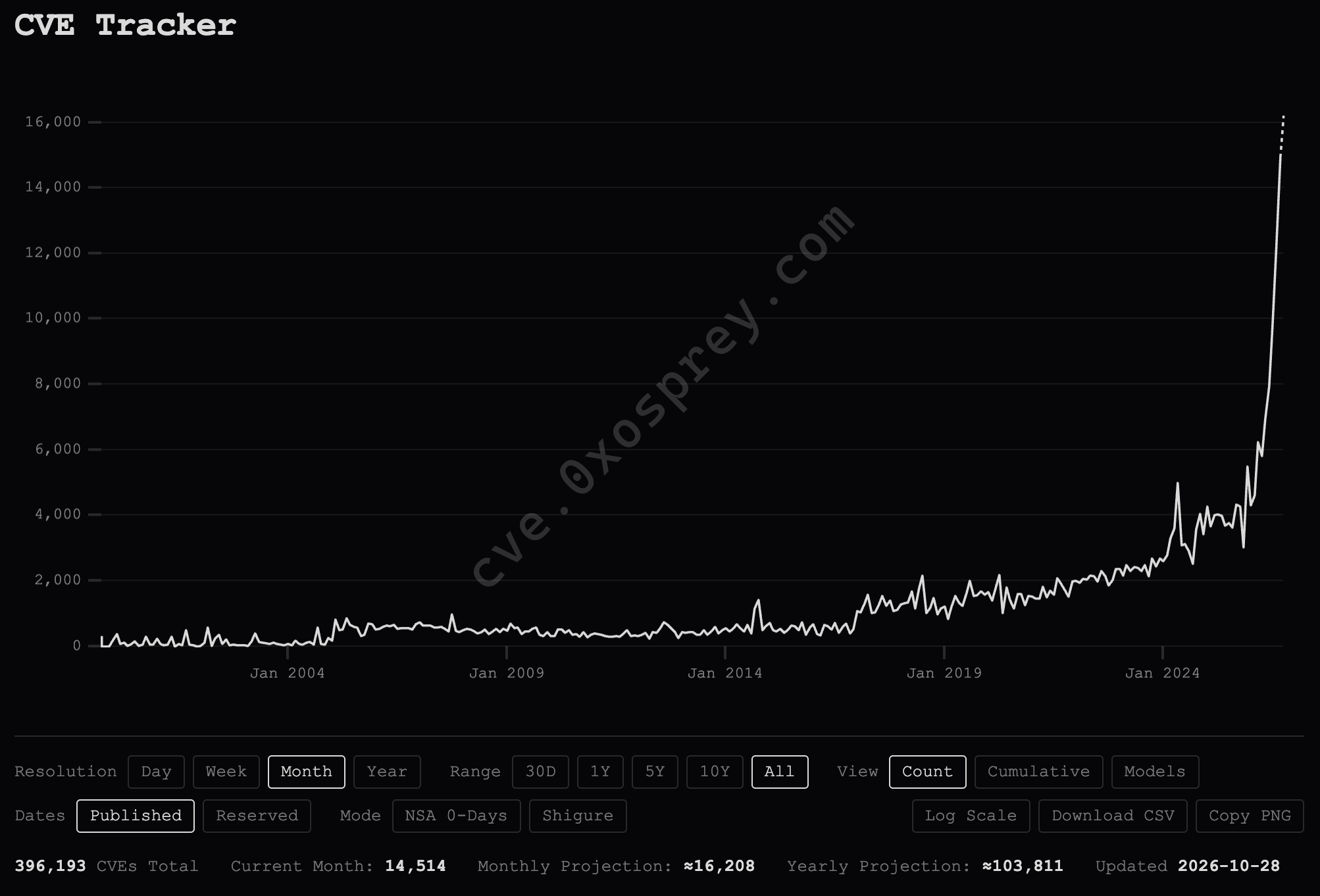
After the Black October wave of vulnerabilities (PHP2Shell, GitLab, the Binance incident), Nathan Lambert of AI2 maintains that open weights for the Claude Mythos model would not have been a catastrophe – in his view, that threshold was crossed by GLM-5.3. This builds on his earlier criticism of the debate over banning open models.
Nathan Lambert of AI2, in a follow-up piece, responds to the wave of security incidents he called Black October – it included critical vulnerabilities in PHP2Shell, GitLab, and a security incident at Binance. According to the Wall Street Journal, teams handling cyber incidents are stretched to the limit of their capacity. Even after this wave, Lambert maintains his earlier conclusion that if the weights of the Claude Mythos model had been released publicly as open weights, it would not have been a catastrophe, but rather an acceleration of an already existing risk trend. He identifies GLM-5.3 as the model that, in his view, truly crossed the dangerous capability threshold – more than a month has passed since its weights were released, and according to the author, there is no publicly available evidence of a fundamental change in the situation. As an example, he cites work by Epoch AI, which used the GLM-5.3 model to find an exploitable flaw in the Firefox browser allowing a user's files to be stolen merely by visiting a website – according to Lambert, however, this shows that causing real harm requires combining multiple steps. At the same time, he admits that he should concede more ground to part of the security community's position, and that a forced, costly overhaul of the approach to software security is inevitable.
In an earlier piece, which the current commentary builds on, Lambert criticized the debate over the cyber risks of open models as being split into two camps – proponents of banning open weights and proponents of keeping them for defense purposes – without any real discussion of what a ban would mean in practice or why Chinese companies consider their open releases to be safe. He described Anthropic's report on the cyber risks of the GLM-5.3 model as technically sound but not addressing these broader questions. According to Lambert, documented cyberattacks so far have been predominantly linked to closed models, and if open models were to be banned for security reasons, the same measures should logically apply to publicly accessible APIs of closed models as well. He regards open weights as a potentially key defense tool, especially for operation in air-gapped networks at sensitive institutions.
For details, see the source article.
Why it matters
For companies in cybersecurity and IT operations, it is relevant that, according to the cited sources, the number of critically reported vulnerabilities is growing and security teams are overloaded – this increases pressure for ongoing investment in patch management. The debate Lambert describes also feeds into political decisions about a possible restriction of open models, which could affect the availability of cyber defense tools, including deployment in isolated networks at sensitive institutions.
What was added since the original report
Verified updates
-
The Black October wave of vulnerabilities included PHP2Shell, GitLab, and Binance; Nathan Lambert argues that Claude Mythos would not have been a problem as open weights; GLM-5.3 is identified as the model that actually crossed the dangerous threshold; Nathan Lambert shifts away from his previous downplaying of the security risks of open models
- The Black October wave of vulnerabilities included PHP2Shell, GitLab, and Binance
- Nathan Lambert argues that Claude Mythos would not have been a problem as open weights
- GLM-5.3 is identified as the model that actually crossed the dangerous threshold
- Nathan Lambert shifts away from his previous downplaying of the security risks of open models
Relevant practical impact
What this means
For a business
Companies dealing with cybersecurity should expect a further increase in critically reported vulnerabilities and the burden on security teams; the debate over potentially restricting open models could affect what tools will be available for defense, including operation in isolated networks.
Risks and complianceCheck the original
Event sources
only one source so far · 1 publisher, 0 independent. We count feeds from the same owner only once.