

Creator of the OnlyFake service described how generative AI helped automate document forgery
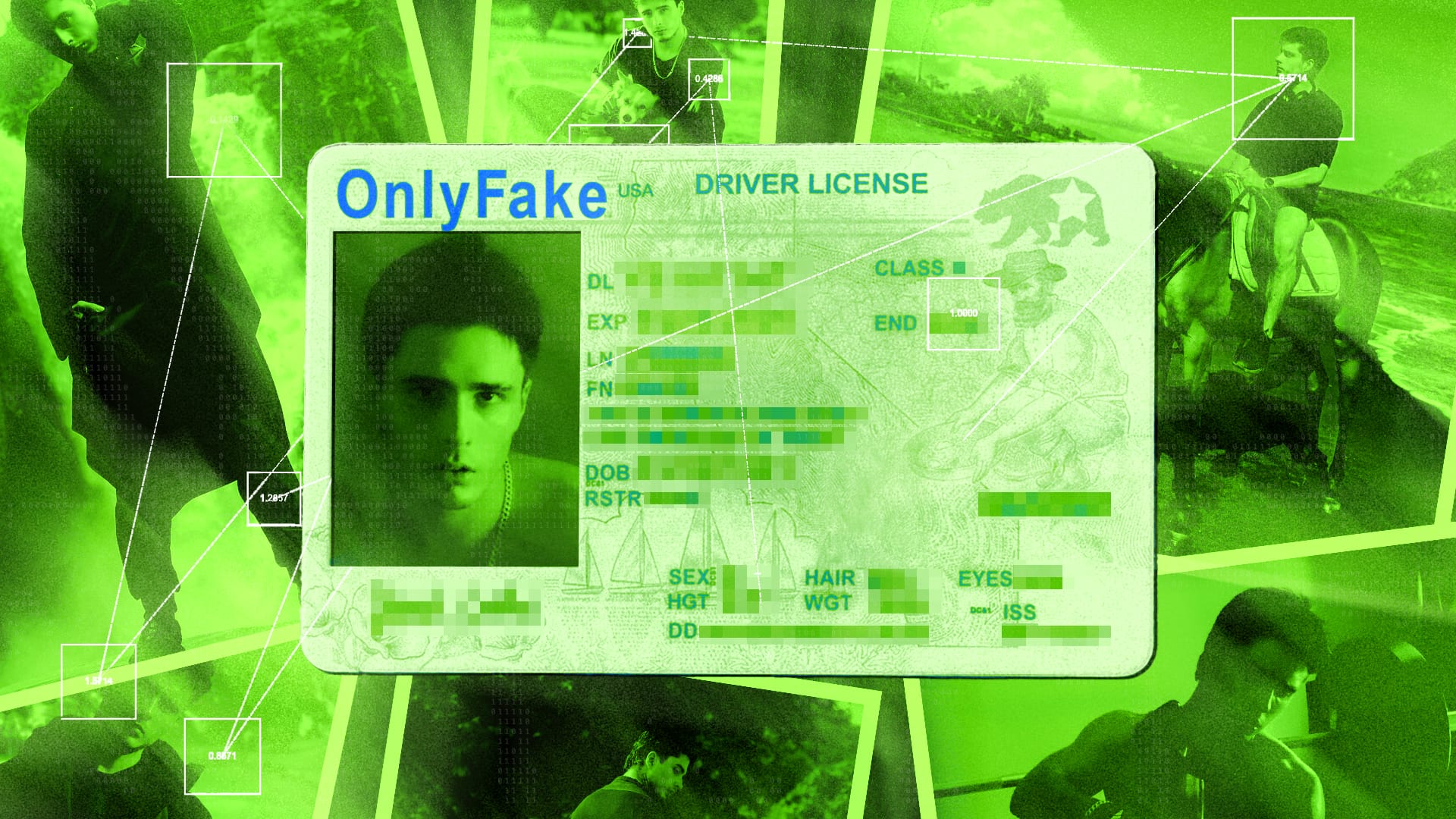
The creator of the OnlyFake service, Yuriy Nazarenko, described in an interview for 404 Media how he built a website that automatically generates fake documents using generative AI, which according to the DOJ earned over a million dollars and was also used by North Korean fake IT workers.
Yuriy Nazarenko, the Ukrainian creator of the OnlyFake service, gave an interview to 404 Media about how, starting from manual document forgery, he built an automated website generating fake identification documents using generative AI. According to his account, he originally spent hundreds of hours manually editing passport scans in Photoshop before he and some programmers created a website that automatically generated documents with any specified details — later also using generative AI to produce realistic photographs of documents lying on a sofa or table, as if someone had photographed them with a mobile phone.
OnlyFake allowed anyone to create forged driver's licenses, passports, or social security cards for approximately 15 dollars apiece, even without any forgery skills. According to an announcement by the US Department of Justice regarding Nazarenko's guilty plea, the service earned over a million dollars from selling fake documents. According to 404 Media, the service was also used by North Korean fake IT workers to bypass identity checks.
After 404 Media revealed the existence of OnlyFake in 2024, Nazarenko, by his own account, panicked and destroyed his laptop and emails and bought a new phone out of fear of arrest. He was subsequently arrested by the FBI, pleaded guilty, spent a year in prison and then months in ICE detention. He now lives in Asia and has for the first time publicly described the entire course of the case.
Why it matters
The case shows that generative AI has lowered the technical barriers to document forgery to the point that even laypeople can create photographs of documents capable of bypassing both human and automated checks. This has a direct impact on companies performing client identity verification (banks, cryptocurrency exchanges), because relying on mere photographs of documents as proof of identity is becoming less reliable.
What was added since the original report
Verified updates
-
The service is specifically used for opening accounts on cryptocurrency exchanges and renting safehouses; The service lowers the technical entry barriers for fraudsters within a global criminal network; The specific process involves pixel-by-pixel editing of MRZ codes and portraits in Photoshop; Nazarenko worked in his grandfather's apartment in Kyiv on a diet of cigarettes, chips, and beer; He sometimes worked 12+ hours straight without a break
- The service is specifically used for opening accounts on cryptocurrency exchanges and renting safehouses
- The service lowers the technical entry barriers for fraudsters within a global criminal network
- The specific process involves pixel-by-pixel editing of MRZ codes and portraits in Photoshop
- Nazarenko worked in his grandfather's apartment in Kyiv on a diet of cigarettes, chips, and beer
- He sometimes worked 12+ hours straight without a break
Relevant practical impact
What this means
For a business
Services like OnlyFake show that AI-generated photographs of documents can fool standard KYC checks at banks and cryptocurrency exchanges, increasing the risk for companies that rely on identity verification based primarily on a scan or photograph of a document.
Risks and complianceCheck the original
Event sources
only one source so far · 1 publisher, 1 independent. We count feeds from the same owner only once.