

Nippon Life sues OpenAI over allegedly unauthorized legal assistance through ChatGPT
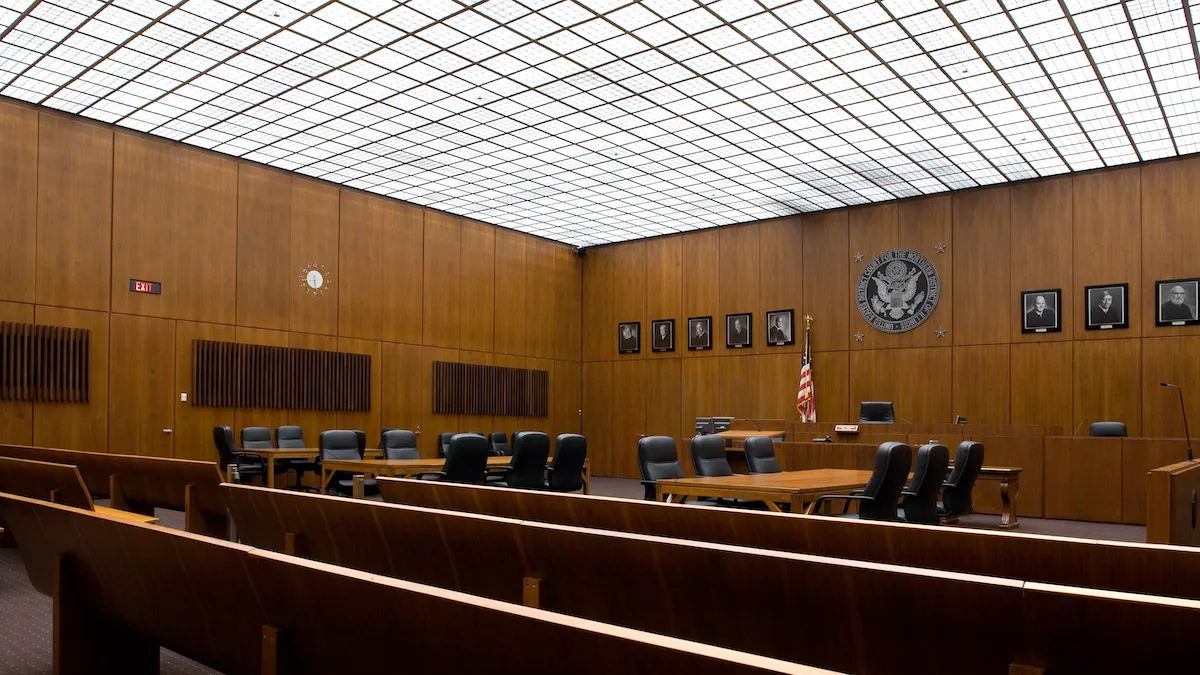
Nippon Life alleges in its lawsuit that ChatGPT helped challenge a completed settlement and generate over 60 court filings, including a fabricated citation. OpenAI denies liability; the dispute is being heard by a federal court in Illinois.
Nippon Life Insurance Co. of America has filed a lawsuit against OpenAI Foundation, which is being heard by the federal court for the Northern District of Illinois. It alleges the unauthorized practice of law through ChatGPT, interference with the original settlement, and aiding abuse of the judicial process. These are allegations by the plaintiff, not findings by the court.
According to the lawsuit, Graciela Dela Torre reached a settlement in January 2024 in a dispute over long-term disability insurance benefits. A year later, she wanted to reopen the case, even though her lawyer had reminded her that the signed agreement ruled out that course of action. According to Nippon Life, she subsequently submitted correspondence to ChatGPT, ended her relationship with her lawyers, and used ChatGPT to seek to reopen the case. The lawsuit alleges that over 60 filings generated by ChatGPT were produced across two lawsuits, including a fabricated citation and unsupported accusations against a lawyer representing Nippon Life.
OpenAI is seeking dismissal of the lawsuit. According to the company, its product helps people who represent themselves in court, but cannot possess the knowledge and intent required for liability for the alleged aiding or interference with the agreement. Nippon Life, by contrast, argues that the provider of the tool should bear liability. It bases its lawsuit on the Attorney Act; according to the article, it did not invoke the separate Corporation Practice of Law Prohibition Act, which prohibits companies from providing legal services to customers.
Why it matters
The dispute raises the question of when AI assistance with court filings may constitute the unauthorized practice of law and whether the provider is liable for it. It also highlights a specific risk for users: a convincing answer or text that sounds legal does not, on its own, confirm the accuracy of citations or the possibility of reopening a case that ended in a settlement.
Two audiences, two different impacts
What this means
For individuals
When making decisions about your own lawsuit, agreement from ChatGPT cannot be treated as confirmation that a signed settlement allows further proceedings. The case described also includes allegations of a fabricated citation in court filings.
For a business
For companies providing AI assistance with legal tasks, the lawsuit raises questions about provider liability and compliance with rules governing the provision of legal services. The proceedings described do not yet establish any new legal obligation.
Risks and complianceCheck the original
Event sources
only one source so far · 1 publisher, 1 independent. We count feeds from the same owner only once.