

FAA deploys the SMART AI tool for air traffic control in Washington DC
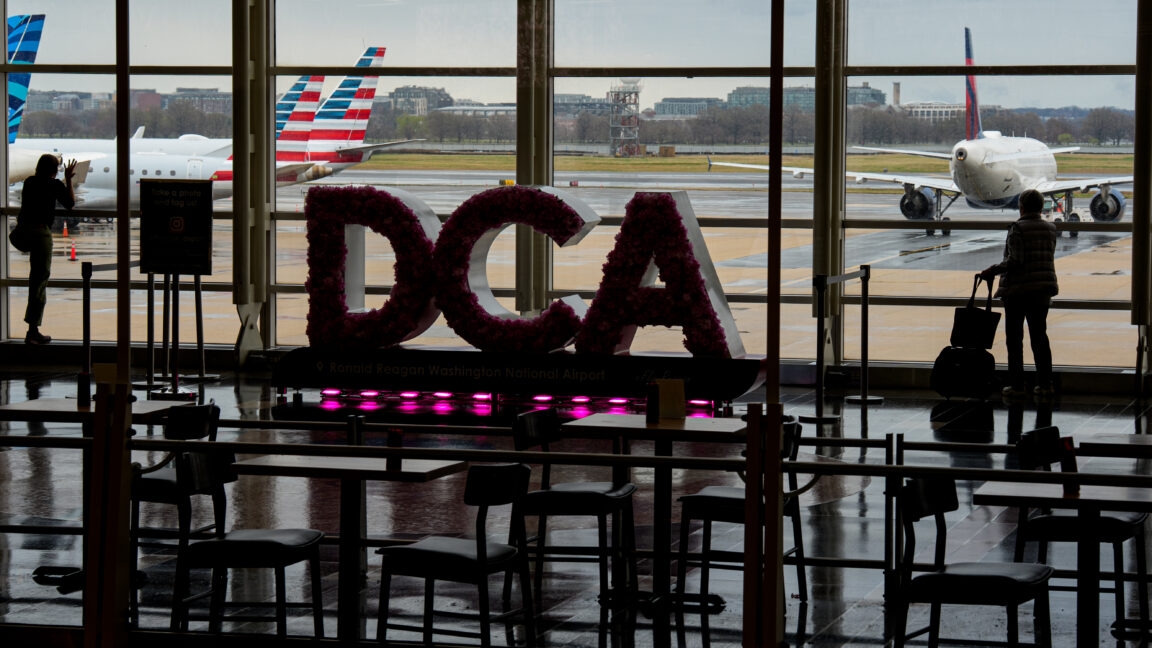
FAA is launching the SMART AI system to forecast and coordinate air traffic, initially at three airports in the Washington DC area from 21 September 2026, with plans to expand across the USA. The budget is 875 million dollars, and the tool serves only as an adviser and does not change controller procedures.
The US Federal Aviation Administration (FAA) is beginning to deploy the SMART AI tool, which is intended to provide air traffic controllers with forecasts and recommendations for managing traffic in the congested airspace over the Washington DC area. According to US government and industry sources cited by The Wall Street Journal, the tool may have launched at the three main airports in the Washington DC area as early as Monday, 21 September 2026. This is the first step toward a planned nationwide deployment, which is expected to cover all 29 million square miles of US airspace overseen by FAA. The project budget is 875 million dollars.
According to FAA, the SMART system uses AI models to forecast air traffic flows and identify potential conflicts based on factors such as airline schedules, weather, airport capacity and airspace conditions. The goal is to provide FAA, airlines and aircraft operators with a shared view of operating conditions so they can agree on the most efficient routes and departure times. FAA says the tool is intended to reduce aircraft fuel consumption, improve flight punctuality and speed up traffic recovery after disruptions caused by weather or congestion.
Philip Mann, principal consultant at Vector Strategic Consulting and a former FAA employee (17 years in various roles), called the decision to launch SMART on a limited scale first the “right decision”. He said the risk of the system had never been in an individual forecast, but in the fact that it is a nationwide system with AI components involving more unknowns than anything FAA has deployed to date, and that every reduction in scope reduces those unknowns.
According to Politico, the aviation industry had been confused for several weeks about the plans of FAA to deploy the tool. Anonymous airline representatives said their concerns eased only after FAA clarified that the SMART tool would not change any procedures for air traffic controllers or airlines, but would only produce “alternative routing information” made available through existing FAA systems.
Why it matters
For passengers and airlines in the Washington DC area, this is the first live test of AI forecasts in US air traffic control, which, according to FAA, could reduce delays and restore traffic more quickly after weather-related disruptions. For now, the tool remains only an advisory system with no authority to change controller procedures, which reduces the safety risk during its introduction but also shows how cautiously FAA is approaching AI deployment in safety-critical infrastructure ahead of the planned nationwide expansion.
Two audiences, two different impacts
What this means
For individuals
According to FAA, passengers in the Washington DC area could eventually experience fewer flight delays and faster traffic recovery after weather-related disruptions thanks to the tool, but the sources do not describe a direct impact on individuals.
More practical updates →For a business
Airlines and air traffic control are gaining a shared view of flow forecasts and traffic conflicts, which, according to FAA, should enable agreement on more efficient routes and departure times; however, the tool currently only provides recommendations and does not change procedures for controllers or airlines.
ProcessesCheck the original
Event sources
only one source so far · 1 publisher, 1 independent. We count feeds from the same owner only once.