

Startup Scaleout Systems deploys smaller ML models for target detection on drone edge hardware in the NATO DIANA programme
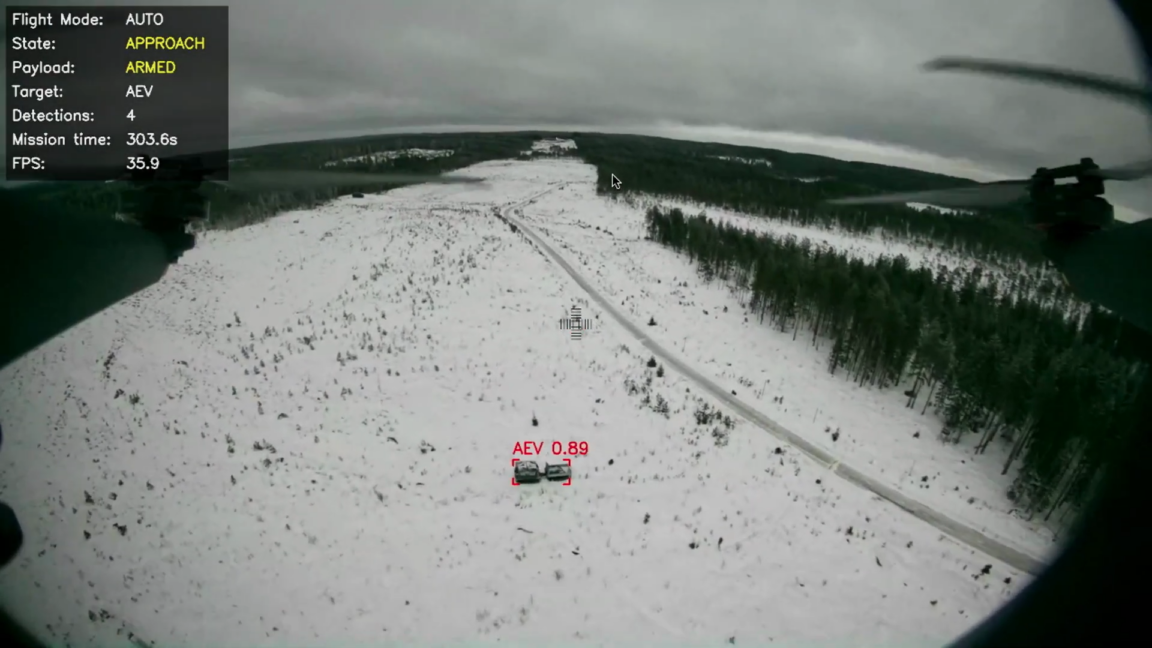
Swedish startup Scaleout Systems is adapting smaller computer vision ML models to run on edge hardware in drones and at field stations, and was selected for the NATO DIANA 2025 accelerator.
Swedish startup Scaleout Systems, founded in 2018 by researchers from Uppsala University, shifted from its original focus on training and deploying ML models in commercial trucks to defence applications after the Russian invasion of Ukraine in 2022, according to available information. According to CEO and co-founder Andreas Hellander, the company concluded that this technology could give NATO allies a strategic advantage in processing sensor data at the edge of the network (edge).
The company says it does not use frontier AI models from companies such as OpenAI or Anthropic, but smaller, "leaner" computer vision models that fit on the hardware of drones, tablets used by drone pilots, or computers at forward bases. Hellander said these models must work on very different hardware — from small embedded devices to more powerful edge workstations.
In 2025, Scaleout Systems was selected for the NATO DIANA (Defence Innovator Accelerator for the North Atlantic) accelerator programme. As part of the programme, the company is working on a project called Federated Aerial Intelligence for Recon, which aims to adapt ML models for edge computing on hardware deployed directly in the field — in drones, on tablets used by pilots, and at command posts.
You can find details in the source article.
Why it matters
The case shows an alternative to the frontier model trend: for deployment directly on the battlefield, where connectivity and computing power are lacking, companies are betting on smaller, narrowly specialised models optimised for specific hardware. For the defence and dual-use technology sector, it also provides an example of how the NATO DIANA programme serves as a channel for funding and validation for startups outside large AI labs.
Two audiences, two different impacts
What this means
For individuals
The case shows that smaller, specialised computer vision models are chosen instead of large frontier models for deployment on constrained edge hardware (drones, tablets, field stations).
More practical updates →For a business
The NATO DIANA programme shows a concrete path for startups with smaller, specialised ML models to obtain validation and support for defence applications without competing with frontier models from large AI companies.
Strategy More business impacts →Check the original
Event sources
only one source so far · 1 publisher, 1 independent. We count feeds from the same owner only once.