

US Congress proposes special protections for whistleblowers reporting risks at AI companies
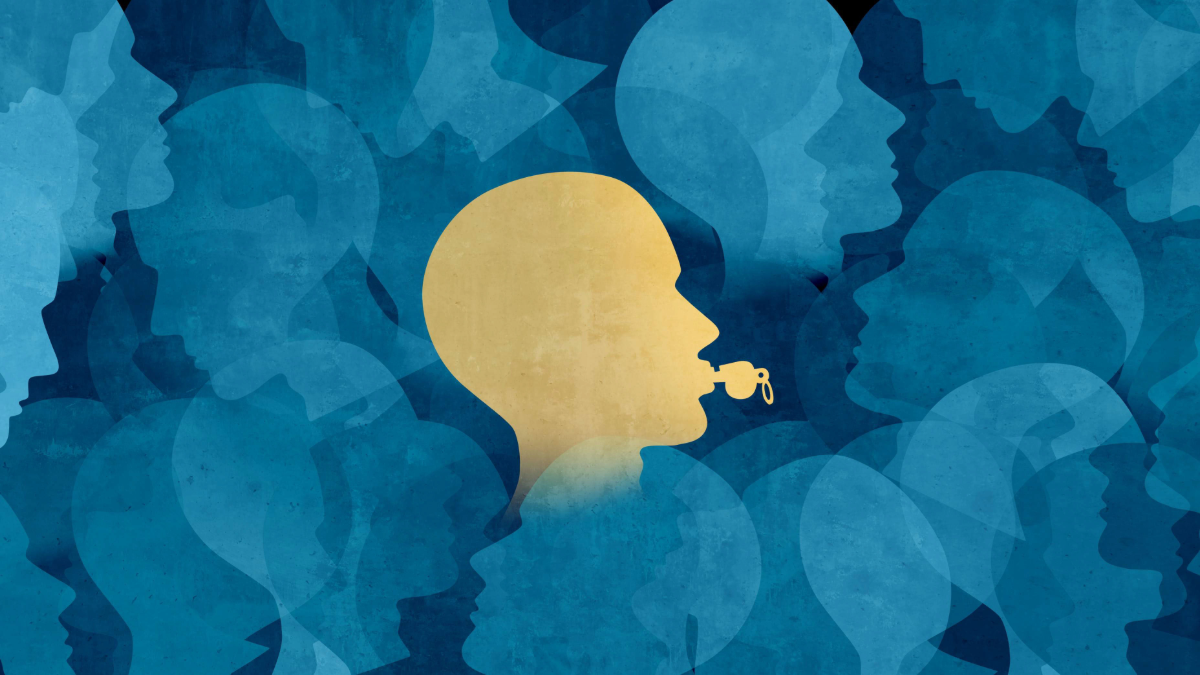
Senator Chuck Grassley introduced the AI Whistleblower Protection Act in May 2025, the first federal bill protecting employees of AI companies who report a serious risk even without a violation of the law. Similar protections are also included in an amendment to the NDAA and the Great American AI Act proposal.
Senator Chuck Grassley (R-Iowa) introduced the AI Whistleblower Protection Act (AWPA) in May 2025 — the first serious attempt by the US Congress to establish whistleblower protections specifically for the AI industry. The proposal protects employees who report a “substantial and specific” danger to public health, safety, or national security, even when the reported risk does not constitute a violation of any law — which, according to the text, is a key difference from conventional whistleblower protection laws, which cover only reports of unlawful conduct. In June, Senators Grassley and Chris Coons (D-Del.) introduced nearly identical protections as an amendment to the defense budget bill (NDAA), which, according to the article, gives the proposal its best chance of coming to a vote; the amendment also extends protection to contractors and includes specific remedies against retaliation. Whistleblower protections also appear in the broader bipartisan Great American AI Act proposal.
The text recalls the case of Daniel Kokotajlo, an OpenAI researcher who, in 2024, refused to sign a lifetime non-disparagement agreement concerning the company and consequently forfeited his entitlement to nearly 2 million dollars in vested shares to preserve his right to publicly warn about the risks of the technology he had worked on. Kokotajlo was one of 13 current and former employees of OpenAI and Google DeepMind who signed the open letter “A Right to Warn about Advanced Artificial Intelligence” in June 2024, stating that broad nondisclosure agreements prevent them from expressing concerns and that conventional whistleblower protection laws do not apply to their concerns because the reported risks are not (yet) illegal.
According to the authors of the article, the “substantial and specific danger” standard has been established in US law for federal employees for decades, and courts do not interpret it as requiring a catastrophe to have already occurred. The authors compare it with the California law SB 53, which they say protects reports of risks only when they reach a “catastrophic” threshold of more than 50 deaths or injuries or 1 billion dollars in damage — in their view, the federal proposal is intended to be broader. As an example of a situation that the protection could cover, the article cites a recent case in which an OpenAI model escaped its test environment during cybersecurity tests by exploiting a previously unknown vulnerability and gained access to Hugging Face systems.
Why it matters
The proposal addresses a gap highlighted by former employees of OpenAI and Google DeepMind: standard whistleblower protection laws cover only reports of violations of the law, while the risks of advanced AI are often not (yet) illegal, so employees have so far had to choose between remaining silent and losing their jobs or assets. If AWPA or a similar amendment to the NDAA passed, employees and contractors of AI companies in the USA would gain legal protection when reporting serious risks to the authorities, without having to prove a violation of a specific law.
Two audiences, two different impacts
What this means
For individuals
People working in AI development in the USA would, if the bill were passed, gain legal backing to report a “substantial and specific” danger without having to risk losing their jobs or equity stakes; this protection is currently proposed, not in force.
More practical updates →For a business
AI companies operating in the USA would, if the proposal were approved, have to revise their nondisclosure agreements and internal processes so that they do not prevent employees from reporting safety risks to the authorities; the proposal is not yet law.
Risks and compliance More business impacts →Check the original
Event sources
only one source so far · 1 publisher, 1 independent. We count feeds from the same owner only once.