

UN discusses treaty against autonomous AI weapons in Geneva after deadly attacks in Ukraine
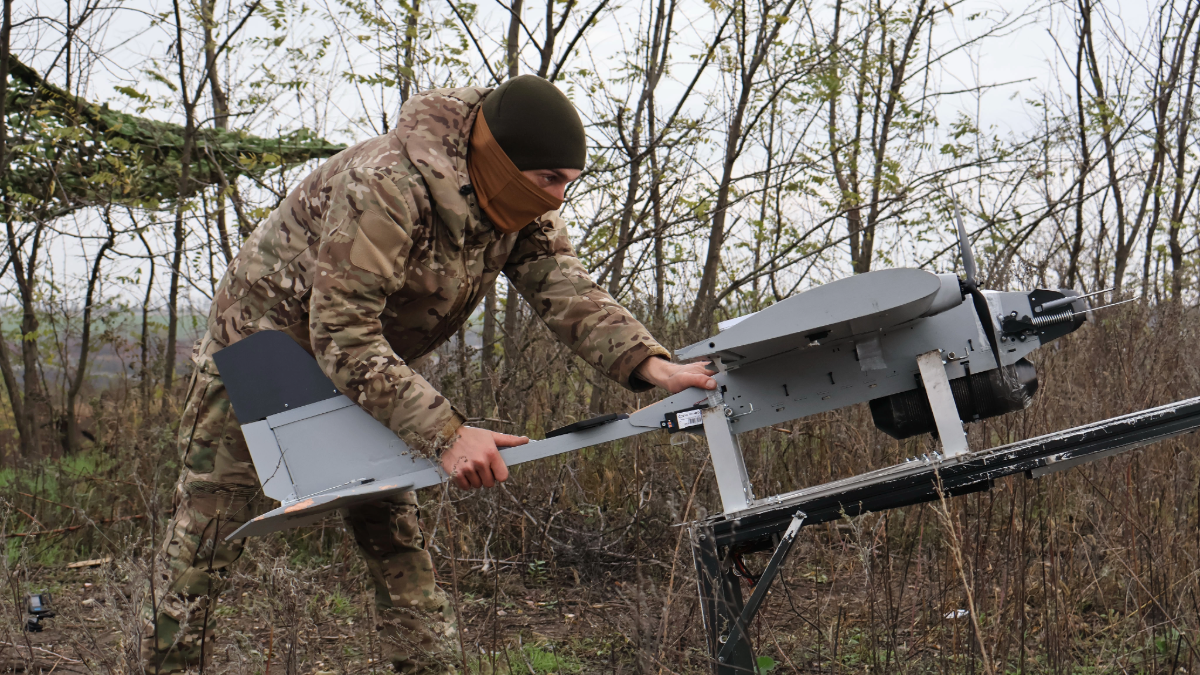
Next week the UN is meeting in Geneva to discuss a treaty regulating autonomous AI weapons. The impetus is deadly attacks – a drone killed soldiers near Bakhmut, and in July 2026 an AI drone killed three civilians in Zaporizhzhia. The author criticizes the current draft for gaps in accountability.
Next week, state representatives will meet in Geneva for a UN meeting that is to decide whether to launch negotiations on a treaty regulating autonomous weapons with artificial intelligence. According to the author of the commentary, the impetus is the fact that such systems have already repeatedly killed people: two years ago, a swarm of ten autonomous drones killed at least two soldiers near Bakhmut, with targets selected by AI without human intervention, according to drone manufacturer Alexander Kochanovsky. Then in July 2026, according to the article, a Russian drone with experimental AI, guided by a commercially available Nvidia chip, killed three civilians in Zaporizhzhia after missing its original target (fuel tanks) and exploding near sheltering people.
The author argues that international humanitarian law presumes a clearly identifiable human decision behind every attack, while AI targeting systems exhibit unpredictable "emergent" behavior and make decisions in a decentralized manner based on the interaction of sensors and platforms. According to the text, the International Committee of the Red Cross is therefore calling for a complete ban on such unpredictable systems. According to the author, the problem of assigning accountability is most pronounced in drones operating in electronically jammed environments without connection to an operator ("dark mode"), where it is not even possible to verify retroactively what the drone actually detected and why it attacked.
The author further criticizes the current draft report by government experts, which is meant to serve as the basis for the Geneva negotiations: according to them, the text focuses on human control before and during deployment, but does not address situations in which a drone acts on its own after losing connection, and does not assign any accountability to the technology companies that develop such systems. The author therefore calls for negotiating a binding treaty that would introduce obligations for states deploying unpredictable weapons and accountability for the companies that manufacture them.
Why it matters
The negotiations in Geneva could kick off the first binding international regulation of autonomous AI weapons systems, including the question of who bears accountability when a drone kills without a direct human decision. For companies developing defense AI technologies and drones, this is a signal that pressure is approaching for a legal framework assigning accountability for the behavior of systems that operate autonomously or outside connection with an operator.
Relevant practical impact
What this means
For a business
Companies developing autonomous weapons systems or AI targeting software may in the future face new international regulation and accountability requirements if negotiations in Geneva lead to a binding treaty; according to the author, the current draft does not yet account for technology companies' accountability for the behavior of systems operating in unobserved conditions.
Risks and compliance More business impacts →Check the original
Event sources
only one source so far · 1 publisher, 1 independent. We count feeds from the same owner only once.