

The USA and China accuse each other of propaganda operations in the discussion on AI regulation
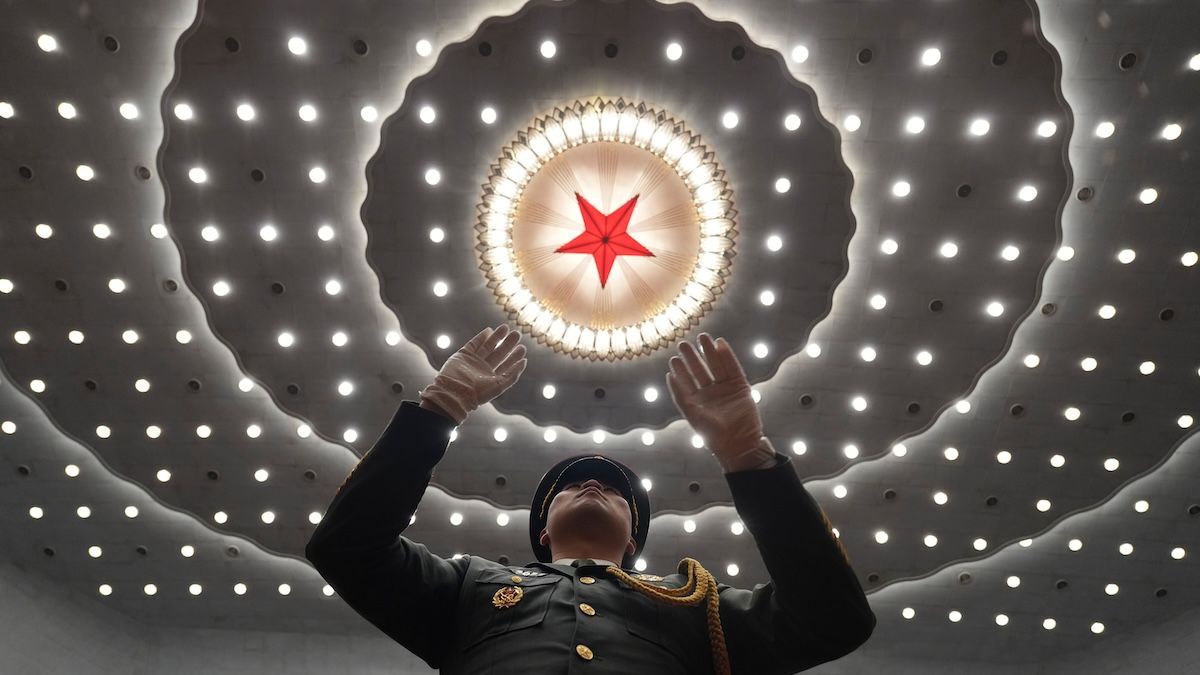
The USA and China accuse each other of propaganda operations in the debate on AI regulation and data center construction. American figures (Trump, Sacks, Tan) speak of Chinese-backed psy-ops, while Chinese state media accuse the USA of seeking unilateral control.
According to an analysis published by Tech Policy Press (author Elisabeth Siegel, 21 September 2026), American and Chinese discourse on artificial intelligence regulation and data center construction involves mutual accusations of propaganda operations (“psy-op”). In the USA, both advocates of stricter regulation of frontier AI and opponents of aggressive data center construction have been labeled as alleged psy-ops. Elon Musk used this label for the viral resignation post by former Anthropic employee Jacob Coxon, while White House science and technology adviser David Sacks pointed to the absence of “doomer” discourse in China as evidence of an artificial campaign. According to a quotation in the article, President Donald Trump spoke of a “SICK conspiracy” against AI and data centers that benefits only China, and Y Combinator head Garry Tan wrote in August that “the discourse on data centers is a documented psy-op” linked to the Chinese government.
According to the article, the Chinese side also directs similar accusations back at American actors. According to expert Matt Sheehan from the Carnegie Endowment for International Peace, Chinese state media suggest that American calls for AI safety are an attempt to unilaterally set the rules for technology adoption by other countries, while American companies remain without real oversight at home. A commentary associated with CCTV from 30 August claims that efforts by the USA to restrict the “dangerous capabilities” of other countries will not be taken seriously until American companies themselves are subject to real oversight. Following the essay “Pacing the Frontier” by Anthropic head Dario Amodei, Global Times published a piece titled “Targeting China's AI: US 'tech right' unfolds Cold War playbook”, which speaks of a hidden agenda of a “quiet AI Cold War”. On 14 September, a spokesperson for the Chinese foreign ministry warned against “spreading fear” in response to a question about concerns expressed by Dario Amodei.
The author of the article does not assess the truth of individual accusations, but rather their political context and impact. She points to a historical parallel: in 1982, Reagan accused the nuclear disarmament movement of being manipulated by foreign powers, while a congressional investigative committee later stated that Soviet agents had no significant influence on the movement. According to the article, mutual accusations of psy-op operations on both sides stem from an environment of deep distrust and the lack of an independent source of truth that would make it possible to verify claims by companies about data centers and the risks of frontier models.
Why it matters
The debate about whether data centers benefit local communities and whether and how to restrict frontier AI models lacks an independent source of truth free from corporate interests – accusations of psy-op operations merely highlight this information deficit without resolving it. For readers and companies alike, this means that public statements on AI regulation and data centers from both sides (the USA and China) need to be treated as part of a political dispute, rather than as verified facts.
Two audiences, two different impacts
What this means
For individuals
Anyone following the debate on AI safety and data center construction should view the mutual accusations of propaganda between the USA and China as a symptom of distrust and the lack of an independent source of truth, rather than as evidence of the actual origin of the criticism.
For a business
The politicization of AI regulation and data centers between the USA and China increases uncertainty in the regulatory environment and the risk that public statements by companies or their critics will be labeled a foreign-directed campaign, complicating a fair debate about the actual risks and benefits.
Risks and complianceCheck the original
Event sources
only one source so far · 1 publisher, 1 independent. We count feeds from the same owner only once.