

The debate over US policy on open-weight AI models: ban, or leadership in safety
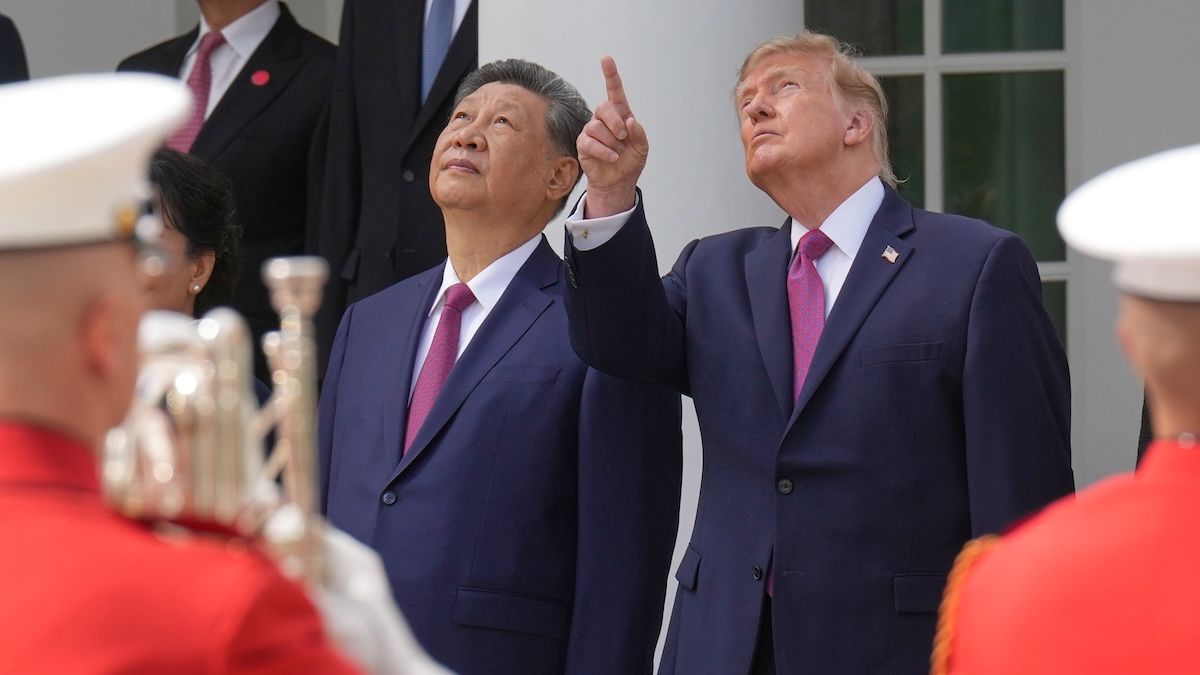
A commentary on Tech Policy Press calls on the US to pursue a leading role in the safe development of open-weight AI models instead of the considered ban, since the market is dominated by Chinese models such as GLM, Kimi, DeepSeek and Qwen.
A commentary on Tech Policy Press, published on the day the summit between presidents Trump and Xi Jinping began, addresses the question of what policy the US government should adopt toward open-weight AI models. The author notes that the vast majority of today's most capable open-weight models come from China — naming the models GLM 5.3, Kimi K3, DeepSeek V4.1-Flash and Qwen3.8 — and that their performance is rapidly approaching closed American models. According to a July estimate by the UK's AI Security Institute, the cyber capabilities of leading open-weight models lag behind the best closed models by only four to seven months.
From a safety standpoint, open-weight models pose a specific risk: once a model's published weights have been downloaded, users can easily strip away its safeguards, and the developer cannot recall the model or otherwise disable it — there is no \"kill switch.\" According to the author, some AI safety experts therefore predict that open-weight models will sooner or later be banned in the US.
The author disagrees with such a ban and argues that the US should instead strive for a leading role in developing safer open-weight models. He points out that the US hosts an estimated 75% of the world's computing capacity and has a strong research base in AI safety, putting it in a better position to develop methods for removing dangerous capabilities and for safeguards that are difficult to remove. He proposes three concrete steps: a federal advance market commitment worth tens of billions of dollars for American labs developing safe open-weight models that meet specified criteria, expanding the government's Genesis Open Models Initiative through preferential procurement of American open-weight models, and selling distillation rights from leading closed labs to American open-weight developers.
Why it matters
For policymakers and companies working with AI, it matters that a real debate is underway in the US between two opposing directions — a possible ban on open-weight models due to safety risks (the lack of a kill switch, the ease of stripping safeguards) versus state support for developing safer American alternatives. The outcome of this debate could affect the future availability and legal status of popular Chinese open-weight models (DeepSeek, Qwen, GLM, Kimi) as well as the direction of public investment in open-weight AI in the US.
Relevant practical impact
What this means
For a business
Companies building products on open-weight models (especially Chinese ones) face regulatory uncertainty: in the US, a debate is underway between a possible ban on these models and a strategy in which the US government would instead support the development of safer open-weight alternatives through public procurement and financial commitments to American labs.
Risks and complianceCheck the original
Event sources
only one source so far · 1 publisher, 1 independent. We count feeds from the same owner only once.