

NVIDIA highlights power supply as a bottleneck in scaling AI computing
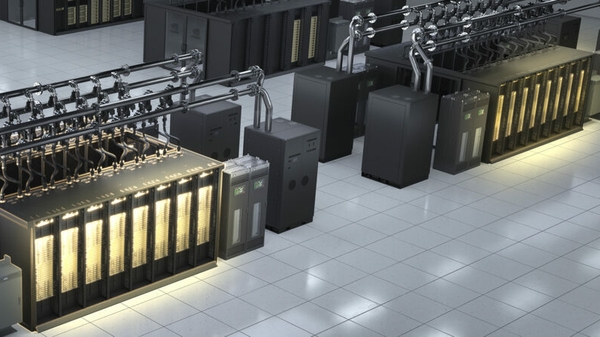
NVIDIA claims that scaling AI computing is constrained not just by overall performance, but by the way electricity gets from the grid to the GPUs — according to the company, traditional alternating current (AC) distribution is becoming a bottleneck.
According to NVIDIA, each new generation of accelerated computing demands more, not only in terms of performance itself, but also in terms of higher rack density and more efficient, more scalable power distribution. The company states that the bottleneck is not just total power consumption, but how power gets from the grid all the way to the GPUs.
The company explains that in traditional power distribution, electricity travels from the grid as alternating current (AC). Details can be found in the source article.
Why it matters
According to NVIDIA, as the performance and density of AI accelerators increase, so do the demands on how power is delivered to them, which is particularly relevant to data center operators and companies planning to deploy large AI systems. However, the text in its available form does not describe any specific new solution or specifications, so its practical impact remains a general warning about the problem.
Relevant practical impact
What this means
For a business
According to claims by NVIDIA, companies operating or planning AI data centers should account for the possibility that traditional AC power distribution may limit further scaling of computing performance.
DevelopmentCheck the original
Event sources
only one source so far · 1 publisher, 0 independent. We count feeds from the same owner only once.