

NVIDIA has released Isaac ROS 5.0, a GPU-accelerated framework for robotics with physical AI models
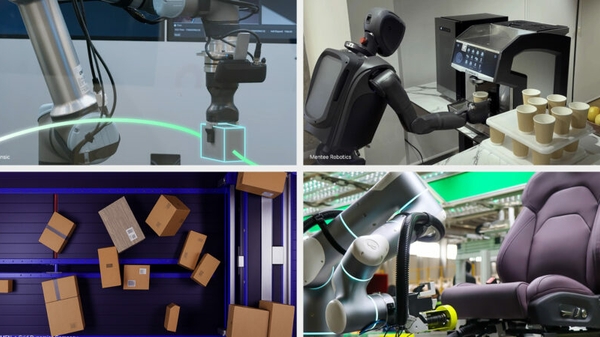
NVIDIA has released Isaac ROS 5.0 – a GPU-accelerated set of packages built on the open-source framework ROS, designed for developing robotic applications with physical AI models capable of perception, reasoning, and action.
NVIDIA has released Isaac ROS 5.0, a set of GPU-accelerated packages built on the open-source framework ROS (a project of Open Robotics). According to the company, the aim is to enable developers to build sophisticated robotic applications that can perceive, reason, and act in dynamic environments using new physical AI models and tools.
According to the company, Isaac ROS 5.0 extends standard ROS with GPU acceleration and supports agentic robotic applications. The framework is described as a step in the shift of open-source robotics development toward agentic capabilities.
The source article available for this summary contained only the introductory section of the press release, without further technical specifications, package versions, pricing, or licensing terms. Details can be found in the source article.
Why it matters
For developers working with ROS, this is a directly available tool with GPU acceleration for building robotic applications involving perception, reasoning, and action in real-world environments. For companies developing robotic products, the framework may influence the choice of underlying technology and the speed of development of agentic robotic solutions.
Two audiences, two different impacts
What this means
For individuals
Developers of robotic applications get a new set of GPU-accelerated packages built on ROS that can be used directly to build applications with physical AI models.
For a business
Companies developing robotic products based on ROS gain another GPU-accelerated tool that may influence their choice of development framework and the speed of development of physical AI applications.
DevelopmentCheck the original
Event sources
clearly official source · 1 publisher, 0 independent. We count feeds from the same owner only once.