

Matyáš Boháček from Stanford discusses AI models for deepfake detection and sign language translation in an interview
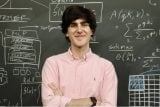
Scientist Matyáš Boháček from Stanford described his AI models for deepfake detection and sign language translation in an interview for Radio Wave. According to him, people around the world use these models. He said that AI helps science but carries risks.
Matyáš Boháček, a young scientist working at Stanford, described his work on AI models in an interview for the Bedny programme on Radio Wave. According to him, people around the world use these models—specifically for deepfake detection and sign language translation.
Boháček said in the interview that artificial intelligence can help advance various scientific disciplines, but that it also carries risks. He described a shift in the field's focus: while research today focuses on detecting what is fake, in the future it will be more about distinguishing what is real.
Boháček also said that, in his view, science demonstrates that people from different cultures and with different political beliefs can work together.
The source article is a short excerpt from an interview, without further details about the models themselves, their accuracy, availability or specific deployment. You can find details in the source article.
Why it matters
The source text is more of a scientist's personal reflection than a technical description of the impacts—it states that research is shifting from detecting fake content towards a future need to distinguish reality from artificially created content, without further specific figures or details about the deployment of the models.
Check the original
Event sources
only one source so far · 1 publisher, 1 independent. We count feeds from the same owner only once.