

Google releases WeatherNext v3 with satellite data processing
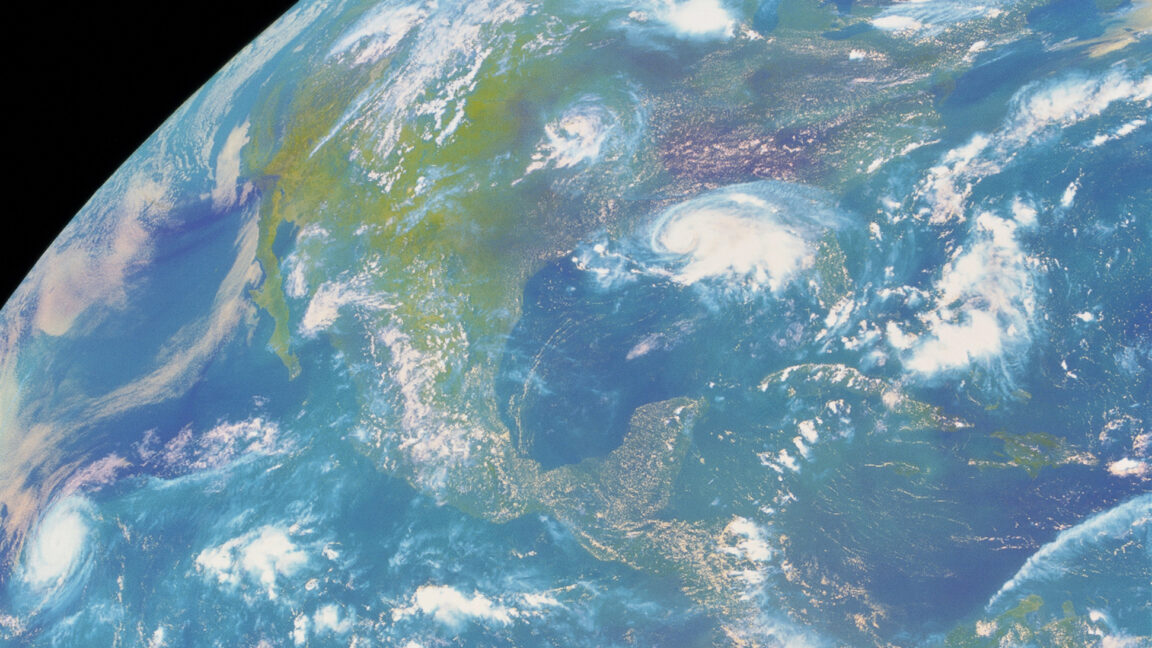
Google has released WeatherNext v3, a weather forecasting model that now processes satellite data, shortening the delay between current weather conditions and a new forecast. According to the company, it achieves accuracy comparable to traditional models with lower computational requirements.
Google has released version 3 of its weather forecasting model WeatherNext. The main new feature is that the model now also processes satellite meteorological data, shortening the delay between current weather conditions and the generation of a new forecast. A technical white paper from Google describes the details.
According to Google, the model achieves accuracy comparable to traditional physics-based forecasting models while requiring significantly less computing power. The lower computational requirements allow the model to run more frequently than conventional models.
The source explains in general terms that weather forecasting models based on machine learning, including WeatherNext, typically work with what is known as reanalysis—a comprehensive global picture of the atmosphere assembled from varied data that also provides estimates for locations without direct measurements. Details on this topic and the technical specifics of the update can be found in the source article.
Why it matters
Lower computational requirements compared with traditional physics-based models allow weather forecasts to be generated more frequently, which may improve the accuracy of short-term forecasts for sectors that depend on current meteorological data, such as agriculture, aviation or energy. Incorporating satellite data also shortens the time between measuring conditions and the availability of a new forecast.
Release card
WeatherNext v3
- Inputs
- The inputs are satellite and other meteorological data, and the output is a weather forecast.
- Running forecasts more frequently thanks to lower computational requirements compared with traditional physics-based models
- A shorter delay between current weather conditions and a new forecast thanks to satellite data processing
According to Google, the model achieves accuracy comparable to traditional physics-based forecasting models but requires significantly less computing power.
The card summarizes information from the article and any dated corrections, with a link to the original source. It is not our assessment of the model. It does not yet have a dedicated editorial profile. Model selection and other announcements →
Relevant practical impact
What this means
For a business
Businesses that depend on the weather (agriculture, logistics, energy, insurance) may eventually gain access to more frequently updated and cheaper forecasts thanks to the lower computational requirements of WeatherNext v3, if Google makes the model available through its services.
Development More business impacts →Check the original
Event sources
only one source so far · 1 publisher, 1 independent. We count feeds from the same owner only once.