

FCC banned imports of Chinese humanoid robots and voltage converters
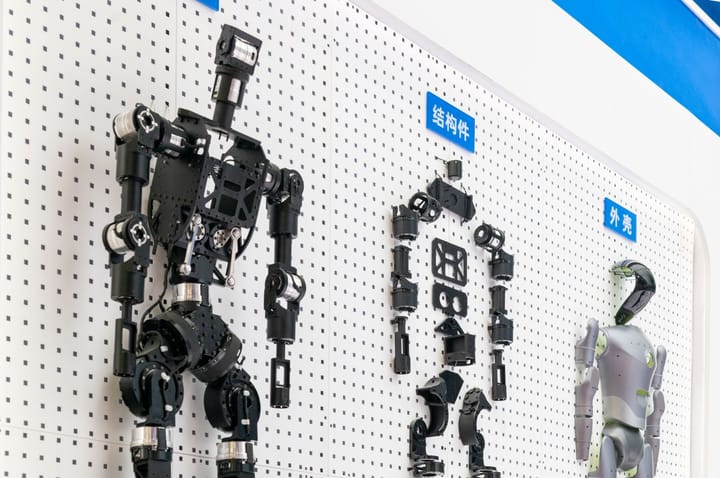
FCC banned imports of new Chinese humanoid robots and voltage converters in late July 2026 on national security grounds. China (Unitree, Agibot) dominates the market; analysts expect a strategic rather than immediate impact and pressure to diversify suppliers.
The US regulatory agency FCC banned imports of new foreign (Chinese) humanoid robots and voltage converters in late July 2026. According to the source, the move was justified by national security risks as part of efforts by the Trump administration to reduce US dependence on Chinese technologies. Chinese foreign ministry spokesperson Mao Ning described the reaction as “protectionism”, which she said would harm US companies and consumers.
According to a January report by the analytics firm Omdia, China currently accounts for the vast majority of global shipments of robotic systems, with Agibot and Unitree leading the way. According to the source, analyst Soumen Mandal from Counterpoint Research said the ban would probably not undermine this position in the short term and would have a more strategic impact – the US could become a major market once humanoid robots achieve mass adoption. Analyst Ryan Reith from IDC added that the immediate impact would be felt more in the consumer robotics segment (robotic vacuum cleaners, pool cleaners, lawn mowers), where China already holds a large share of the market, while sales volumes of humanoid robots are still too low for the ban to cause an immediate decline.
According to the source, the ban is part of a broader series of measures by the Trump administration targeting Chinese technologies, including restrictions on drones, smartphone chips and electric vehicles. Mandal expects similar measures to extend to other areas, such as connected, autonomous, sensor and software technologies.
The source also highlights the impact on the supply chain: US researchers, universities and companies developing AI robots have long relied on inexpensive Chinese hardware, with platforms from Unitree widely used among researchers working with humanoid and quadruped robots. According to Mandal, a shift to a “China+1” strategy can be expected, meaning the diversification of suppliers of key components (actuators, motors, sensors, control units, batteries) into countries such as Japan, South Korea, Taiwan, European countries, India or Southeast Asia. Reith adds that the restrictions may create opportunities for US robotics companies, but relocating production will take time and consumer robotics is unlikely to return to the US because of low margins; according to him, supply chain diversification was already underway, and the ban simply adds pressure.
Why it matters
For companies and research institutions in the US that rely on inexpensive Chinese robotics hardware (especially platforms from Unitree), the ban increases the risk of limited component availability and puts pressure on them to find alternative suppliers outside China, according to the source. The ban also signals that similar export and import restrictions are likely to extend to other technology categories, according to the cited analyst, which is relevant to supply chain planning across the robotics and AI hardware industry.
Two audiences, two different impacts
What this means
For individuals
Researchers and developers who use inexpensive Chinese platforms for experiments with humanoid and quadruped robots may, according to the source, face reduced availability of this hardware.
For a business
US companies and research institutions that rely on inexpensive Chinese hardware to develop humanoid robots face the risk of reduced component availability and the need to diversify supply chains, while companies such as Unitree and Agibot will, according to available data, retain their leading position in the global market for now.
Risks and complianceCheck the original
Event sources
only one source so far · 1 publisher, 1 independent. We count feeds from the same owner only once.