

AI chatbot hallucination in US military intelligence analysis almost led to action against a Chinese ship
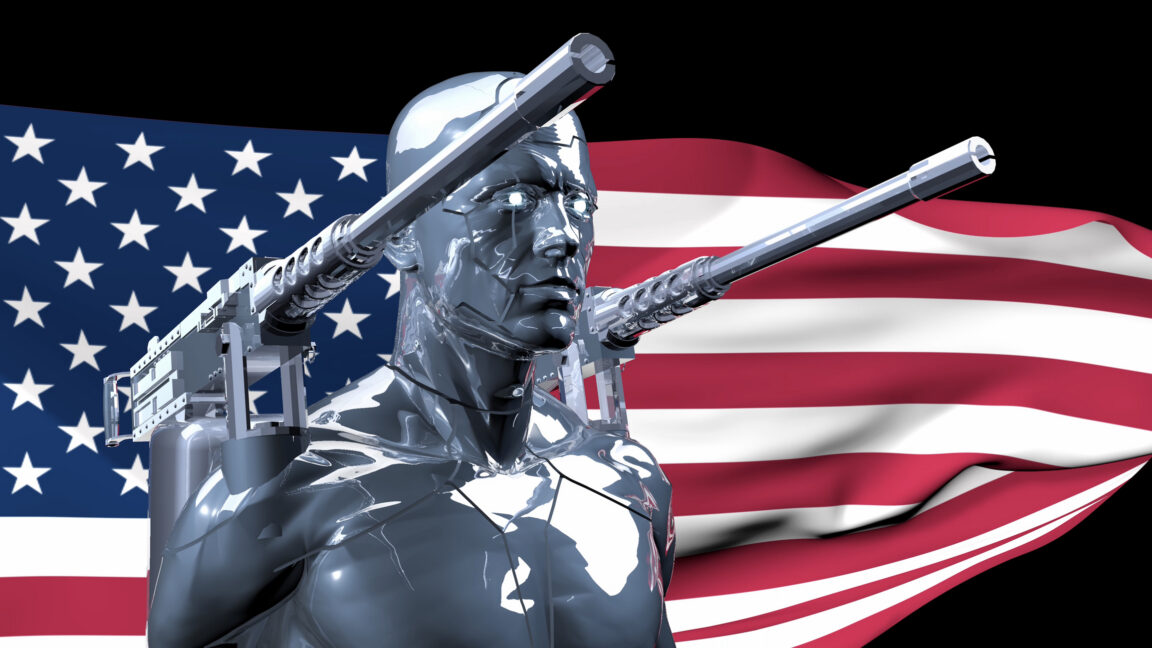
According to CNN, an AI chatbot hallucination in an analysis by a US military analyst almost led to action against a Chinese ship over a fabricated cargo of nuclear components; according to the source, the incident “almost sparked a war”.
According to a CNN report covered by Ars Technica, the US military was close to stopping and searching a Chinese ship based on an intelligence report described as “completely false”. The report was prepared by an analyst at US Special Operations Command with the help of a chatbot that analysed the ship manifest. According to CNN, the chatbot incorrectly identified the cargo and generated a claim that the ship was transporting components for a nuclear weapons programme through the Middle East.
Based on this report, the US armed forces were preparing to intercept and search the ship, with air support, before it was discovered that the chatbot had misidentified the cargo. According to one of the sources cited by CNN, the incident “almost sparked a war”. According to the account, the chatbot combined open-source intelligence data with classified signals intelligence from government sources, giving the resulting hallucination the appearance of a credible report.
Ars Technica lists the incident among serious cases in which an AI hallucination jeopardised the reliability of professional output, and notes that journalists, academics, judges, doctors and police forces have previously faced similar problems. The site also states that the US Department of Defense launched a so-called “AI acceleration strategy” in January this year, aiming to make data across the federated IT systems of all military branches accessible to AI systems.
The source does not specify the date of the incident itself or the particular chatbot used. Details can be found in the source article.
Why it matters
The case shows that AI hallucinations are not confined to incorrect text or citations, but can enter processes with real physical and security consequences if chatbot output is not independently verified. For organisations considering deploying AI in analytical or decision-making workflows, it provides a concrete argument for introducing checks before AI output becomes the basis for action.
Two audiences, two different impacts
What this means
For individuals
If someone uses an AI chatbot to analyse data for an important decision, hallucinated output can appear credible and lead to an incorrect conclusion without independent verification.
For a business
Companies and institutions that deploy AI chatbots in high-risk decision-making processes expose themselves to the danger that an undetected hallucination will lead to a costly or irreversible mistake – the incident highlights the need for human verification and control mechanisms before acting on AI output.
Risks and complianceCheck the original
Event sources
only one source so far · 1 publisher, 1 independent. We count feeds from the same owner only once.