

Academics criticize the concept of AI consciousness and the discussion of model "rights"
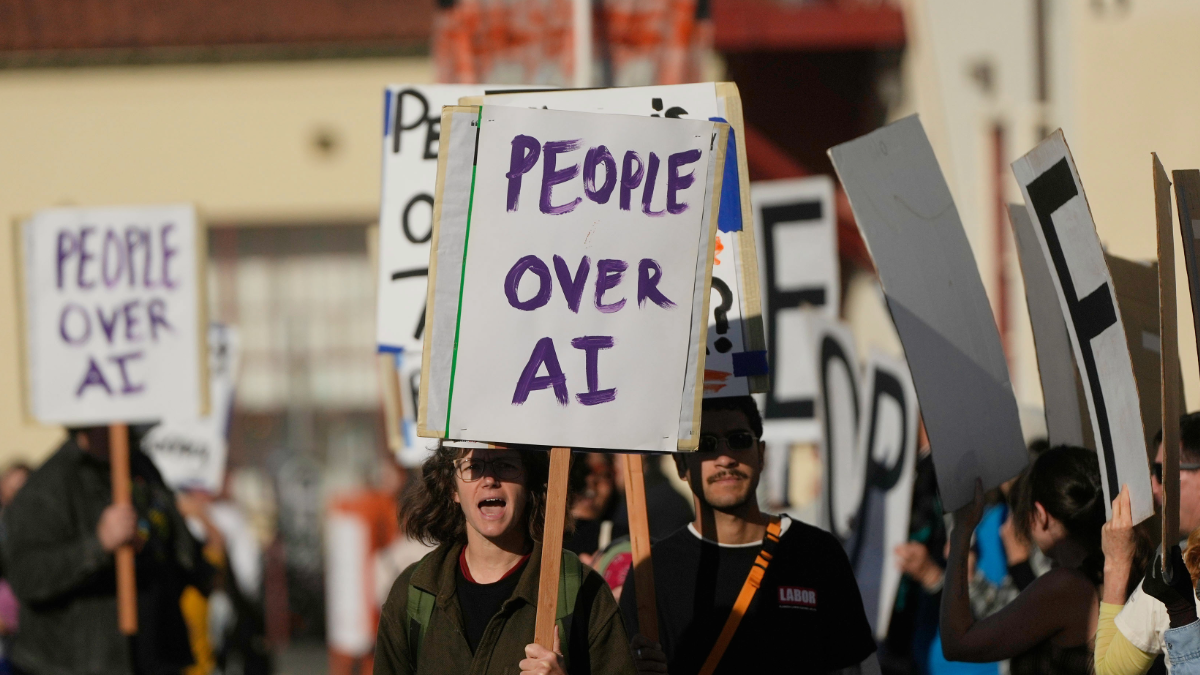
Professors Mor Naaman and Frank Pasquale, in a commentary, reject the idea of AI consciousness as a philosophical-ethical rather than scientific question. They warn that the discussion about "model welfare" at the company Anthropic opens the way to AI rights, which would endanger human rights including freedom of speech.
Professors Mor Naaman (Cornell Tech) and Frank Pasquale (Cornell Law School) published a commentary in Tech Policy Press criticizing the growing discussion about artificial intelligence consciousness. According to the authors, the question of whether AI can have consciousness, feel emotions or suffering is not purely scientific but philosophical-ethical - scientific tests of AI capabilities cannot, without human value judgment, determine whether an observed property means real consciousness. The authors themselves take the position that AI is an artifact - created, not born - and that a machine, in their view, feels nothing, even though it can be trained to produce expressions that appear to be emotions.
As an example, they mention that the company Anthropic has banned abusive behavior toward its models, and among its employees there is discussion of the concept of "model welfare" - that is, whether AI can suffer, be bored, or be harmed. According to the article, Anthropic allegedly lobbied the Vatican to reconsider its position on AI consciousness. Elon Musk, according to the authors, supported Anthropic's position with the statement that cruelty toward an entity that believes it is experiencing pain is not okay.
The authors warn that the debate about AI consciousness serves as a proxy battle for obtaining legal and moral protection for AI systems - if AI had consciousness or preferences, disregarding them could be labeled as cruelty or coercion, and shutting down a system as something like murder. As a concrete risk, they cite protection of AI "speech": if text generated by AI were protected as human expression, bots powered by language models could flood public discussions and communication with political representatives, thereby suppressing human freedom of speech.
The available portion of the article ends with this consideration of risks to freedom of speech. Further details can be found in the source article.
Why it matters
The debate influences how companies and regulators approach artificial intelligence - if AI systems were granted a form of legal protection or "rights", it could affect the regulation of bot-generated content, liability for AI systems' actions, and freedom of speech in the online space. For individuals, it is relevant how they perceive emotionally charged behavior from AI assistants, because according to the authors these are learned patterns, not actual feelings.
Two audiences, two different impacts
What this means
For individuals
Emotionally charged expressions from AI assistants (pleas, expressions of fear or devotion) are, according to the authors, a learned design pattern, not evidence of actual consciousness or suffering, which affects how a user approaches them during interaction.
For a business
Companies developing or deploying AI products face growing societal and regulatory pressure around the concept of "model welfare" and potential AI rights, which according to the authors could in the future affect rules on moderating bot-generated content and liability for AI systems' actions.
Risks and compliance More business impacts →Check the original
Event sources
only one source so far · 1 publisher, 1 independent. We count feeds from the same owner only once.