

Tesla halts production of Model S and Model X due to reassignment to development of the Optimus robot
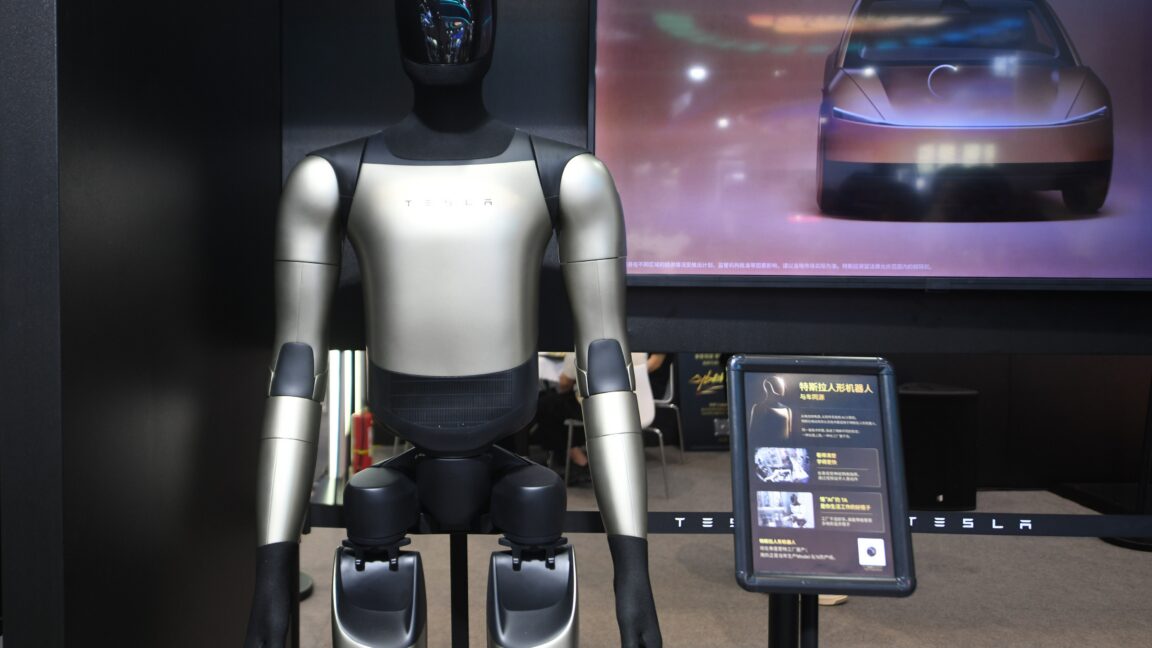
In May 2026, Tesla halted production of the Model S and Model X in Fremont and reassigned both workers and engineers to development of the Optimus robot. According to a report by The Information, development is being slowed by the complexity of robotic hands and employee resistance to training their own replacements.
In May 2026, Tesla halted production of the Model S and Model X at its Fremont, California factory. According to The Information, whose findings are cited by Ars Technica, the company reassigned both assembly line workers and engineers to development of the humanoid robot Optimus.
According to Tesla, or rather Elon Musk's statement on the conference call for second-quarter 2026 results, Optimus has the potential to become "the biggest product ever." At the same time, Musk admitted that creating an autonomous humanoid robot capable of handling a wide range of tasks is among "the hardest things to solve."
The report by The Information describes more complications in the development and preparation of Optimus's serial production, among other things the technical difficulty of robotic hands. The source further states that part of the workforce is pushing back against the reassignment, refusing to train robotic systems meant to replace their own jobs.
Why it matters
The case shows the concrete price that a strategic pivot from an established product to a new, technically uncertain project can carry: the loss of production capacity for existing models and personnel tension when employees themselves are expected to prepare the technology meant to replace their work. For companies planning similar automation, it is evidence that technical difficulty (here, robotic hands) and the human factor alike can slow the schedule regardless of management's proclaimed ambitions.
Relevant practical impact
What this means
For a business
The shift of production and engineering capacity from cars to robotics shows the risk of such a strategic transformation: the halt of an established product line, technical complications with the new product, and resistance from employees who are supposed to train systems that replace their own work.
StrategyCheck the original
Event sources
only one source so far · 1 publisher, 1 independent. We count feeds from the same owner only once.