

Founder of Apple stores doubts AI agents will replace in-person purchases of expensive goods
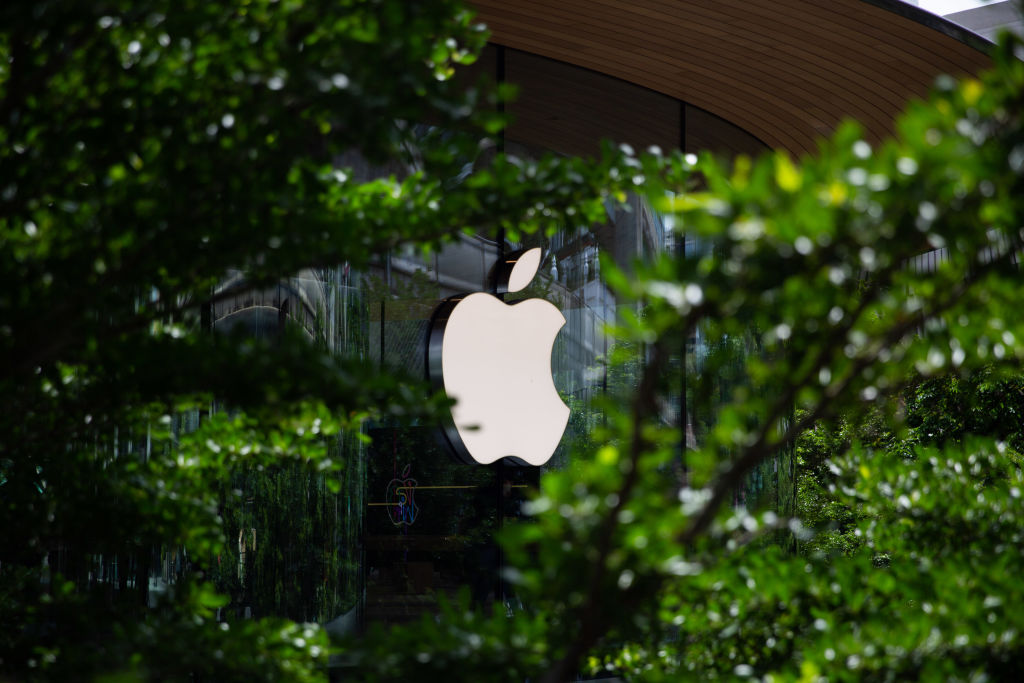
Ron Johnson, the creator of Apple stores, is skeptical that AI agents (e.g. Universal Commerce Protocol from Google or shopping through ChatGPT from OpenAI) will replace in-person shopping for more expensive goods such as laptops.
Ron Johnson, who joined Apple in 2000 and built its network of retail stores, expressed skepticism about how much shopping AI agents will take over. In an interview, he said he believes AI will improve online shopping but will not fundamentally change how people buy expensive goods. Asked whether someone would let an AI agent buy them a laptop for 1000 to 2000 dollars without visiting a store or website, he replied: "Honestly, no one will do that." According to Johnson, customers making such a purchase want to physically try the product, touch it and compare sizes, and he says AI will never be able to replace the physical experience of a product. He expects agents to help customers become better informed before visiting a store rather than replace sales through physical stores.
His stance comes at a time when major technology companies are pushing AI deeper into shopping. Google is promoting the Universal Commerce Protocol standard, which is intended to enable AI agents to guide customers from product discovery through to purchase. OpenAI, meanwhile, is developing ChatGPT as a shopping destination where products can be searched for, compared and, in some cases, purchased directly.
Johnson bases his view on his experience building Apple stores, which he says were designed not just as places to sell products, but as spaces for trying products, learning how to use them and getting help later (e.g. Genius Bar). He identified employees as a key element of success: staff in Apple stores do not work on commission, which he says removes pressure to sell and allows them to focus on the actual needs of the customer. He now describes these experiences in his new book Shop Different: How Retail Revealed Apple's Genius.
Johnson later led the J.C. Penney chain (2011–2013), where he was dismissed following a slump in sales, and then founded the startup Enjoy Technology, which went bankrupt in 2022 and sold its assets to Asurion. Despite his skepticism about the role of AI agents in shopping for expensive goods, he describes himself as an "AI optimist" and makes the point that, in his view, nothing will replace human intuition.
Why it matters
Retail and e-commerce companies are considering how much to invest in AI shopping agents (Google, OpenAI) versus physical stores; the experience of the person who built the Apple retail network points to an argument that, for more expensive products, firsthand experience and personal service remain a factor in sales that AI cannot yet replace.
Relevant practical impact
What this means
For a business
While Google (Universal Commerce Protocol) and OpenAI (shopping through ChatGPT) are pushing agentic commerce, the experience of the creator of Apple stores suggests that physical retail and personal service will remain a key sales channel for more expensive goods.
Sales and marketingCheck the original
Event sources
only one source so far · 1 publisher, 1 independent. We count feeds from the same owner only once.