

China Strengthens Control Over African Critical Minerals for AI Infrastructure
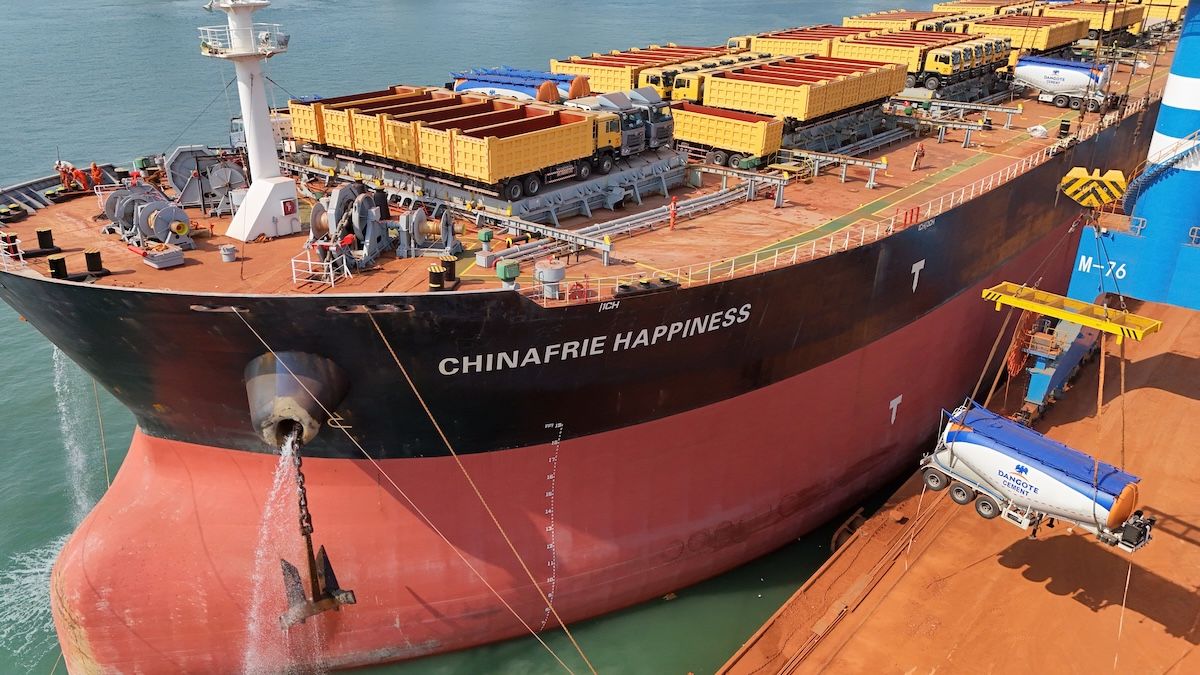
China, Africa's largest bilateral lender, is expanding access to key raw materials for AI hardware – copper and germanium from the DRC and Namibia – thereby strengthening its own position in global AI infrastructure.
China has long been deepening economic ties with African countries, and according to the article these ties increasingly intersect with its global AI ambitions. The Democratic Republic of the Congo (DRC) holds roughly two-thirds of the world's cobalt mining and extensive copper reserves, raw materials key to AI computing and energy infrastructure. Chinese companies have held a dominant role in copper mining in the DRC since the 2008 Sicomines agreement; in 2025, copper exports from the DRC grew by 10 percent, with Chinese enterprises accounting for a significant share of production.
At the same time, China is building a strong position in the germanium supply chain, an element used in specialized semiconductors and high-performance optical fibers – components important for AI infrastructure. In 2025, the Chinese company Sinomine received approval to build a germanium processing plant in Tsumeb, Namibia.
According to the source, China is currently Africa's largest bilateral lender and the main financier of infrastructure projects in sub-Saharan Africa, which allows it to link financing of transport, energy, and mining with its own digital and AI infrastructure strategy. The remainder of the available text also covered other topics (digital infrastructure and the expansion of Chinese AI models in Africa), but these are not the subject of this summary. See the source article for details.
Why it matters
Access to copper and germanium affects the availability and price of components for the computing and energy infrastructure underpinning the training and operation of AI models. If Chinese companies control key parts of this supply chain in Africa, it may affect the prices and availability of semiconductors and optical components for companies outside China that depend on these raw materials.
Relevant practical impact
What this means
For a business
Companies purchasing semiconductors, optical fiber, or other AI hardware infrastructure face the risk of growing concentration of key raw materials (copper, germanium) in the hands of China-controlled firms, which may increase exposure to geopolitical and supply disruptions.
Risks and complianceCheck the original
Event sources
only one source so far · 1 publisher, 1 independent. We count feeds from the same owner only once.